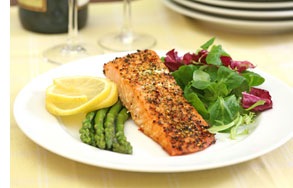
In a new study, researchers found a strong correlation between a diet high in vegetables and seafood and reduced risk of breast cancer. Lower BMI, high levels of dietary supplement use, and increased physical activity also correlated with reduced breast cancer risk.
After skin cancer, breast cancer is the most common type of cancer in women. In U.S. women, more than 1 in 4 cancers (28%) are breast cancers. Historically, breast cancer has been much more prevalent in Western countries than in Asian countries, although the gap has declined dramatically in recent years. A new study published by researchers at South Korea's National Cancer Center sheds new light on one possible explanation for this effect.
In this study, 357 breast cancer patients between the ages of 25 and 77 were matched with 357 healthy controls. A trained dietitian conducted face-to-face interviews with each study subject, collecting detailed information on lifestyle (including physical activity), demographics, and diet.
410 types of reported food were grouped into 39 food groups based on nutrient profiles and culinary usage. These food groups were then used to calculate two "dietary patterns": one characterized by regular consumption of a variety of vegetables, seafoods, and soybean products, and another characterized by above-average intake of meat (non-fish) and starch-rich foods (bread, noodles, pizza, etc). The "vegetable-seafood" diet is representative of a traditional Korean diet, while the "meat-starch" diet is representative of a traditional Western diet. Statistical analysis were then performed to look for correlations between demographics, lifestyle factors, and these two diet patterns.
Breast cancer occurrence in this study correlated strongly with higher BMI (p=0.006), lower levels of dietary supplement use (p=0.005), and low levels of physical activity (p=0.021). Additionally, a significant inverse association was seen between the vegetable-seafood pattern and breast cancer risk, while no correlation (positive or negative) was seen for the meat-starch group. Additional analysis correlated the vegetable-seafood diet with higher intakes of fiber, vitamin A, carotene, vitamin C, vitamin E, folate, and calcium (p < 0.001 for all).
This study provides strong evidence for a diet high in vegetables and seafood reducing the risk of breast cancer. As the authors note, the increasing Westernization of Korean diets may explain - at least in part - the rising rates of breast cancer in that country.
Cho YA, Kim J, Shin A, Park KS, Ro J. Dietary Patterns and Breast Cancer Risk in Korean Women. 2010. Nutrition and Cancer 62(8):1161-9.
Showing posts with label Beta Carotene. Show all posts
Beta-Carotene & Vitamin A
Carotenoids comprise a diverse class of antioxidant molecules that help protect the body from oxidative damage. Approximately 700 natural carotenoids have been isolated and characterized. Most are derived from plants, where they serve multiple functions: photosynthetic pigments, photoprotectants, and free radical scavengers. Some 50-60 carotenoids are present in a typical diet with the major sources being fruits and vegetables.
Beta-carotene is one of the best known carotenoids, likely because: (1) it is one of the most abundant in a typical adult diet, and (2) it provides two nutritional functions - in addition to its role as an antioxidant, the human body converts beta-carotene into vitamin A.
Other members of the antioxidant carotenoid family include alpha-carotene, cryptoxanthin, zeaxanthin, lutein, and lycopene. Unlike beta-carotene, most of these nutrients are not converted to vitamin A in significant amounts.
Beta carotene's role as an antioxidant is based on its extensive system of conjugated double bonds which, upon reacting with an oxygen atom, absorb and diffuse that oxygen's potentially destructive energy. The oxygen atom returns to a lower energy state, and beta carotene dissipates the absorbed energy harmlessly (as heat). Similar mechanisms are involved in quenching the oxidative potential of hydroxyl radicals and other free radical compounds.
As provitamin A, beta carotene contributes to an entirely different set of functions by supplying a portion of the body's requirement for retinol (vitamin A). In fact, a single molecule of beta-carotene can be cleaved in the body to produce two molecules of vitamin A. Other carotenoids (including alpha-carotene, gamma-carotene, and cryptoxanthin) provide provitamin A activity, but yield only one molecule of vitamin A when metabolized.
Retinol (vitamin A) is an essential nutrient associated with three important functions, the best-defined of which involves human vision. Retinol is a functional constituent of rhodopsin, a protein located in the retina of the eye that absorbs light and triggers a series of biochemical reactions that ultimately initiate nerve impulses, resulting in sight.
Secondly, vitamin A is involved in the activation of gene expression and the control of cell differentiation. It is through this function that vitamin A affects immune function, taste, hearing, appetite, skin renewal, bone development, and growth.
Vitamin A's third role involves control of embryonic development. Here it is thought that retinoic acid modulates the expression of certain genes that govern patterns of sequential development of various tissues and organs in the body.
Vitamin A deficiency is a major public health issue, particularly in developing countries. It has been estimated that 500,000 preschool-age children worldwide become blind each year as a result of vitamin A deficiency. Millions of others suffer from night blindness, a common clinical sign of inadequate vitamin A intake. Further estimates suggest that more than 100 million children worldwide suffer from vitamin A inadequacy without showing clinical signs of acute deficiency. Beta-carotene is known to be an effective dietary cure for vitamin A deficiency and an effective remedy for symptoms of this disorder.
Epidemiological studies support long-term beneficial effects of beta-carotene intake on a number of degenerative diseases. For example, the relationship between beta-carotene intake and cancer has received considerable attention in recent years. Epidemiological evidence suggests that long-term intake of dietary beta-carotene may reduce the risk of several types of cancer. Similar findings pertain to heart disease and immune health.
Dietary sources rich in beta carotene and other provitamin A carotenoids include carrots, broccoli, yellow squash, corn, tomatoes, papayas, oranges, and dark green leafy vegetables like spinach, kale and Chinese cabbage. Beta-carotene is heat stable, so it is not degraded during prolonged boiling or microwaving.
Beta-carotene is one of the best known carotenoids, likely because: (1) it is one of the most abundant in a typical adult diet, and (2) it provides two nutritional functions - in addition to its role as an antioxidant, the human body converts beta-carotene into vitamin A.
Other members of the antioxidant carotenoid family include alpha-carotene, cryptoxanthin, zeaxanthin, lutein, and lycopene. Unlike beta-carotene, most of these nutrients are not converted to vitamin A in significant amounts.
Beta carotene's role as an antioxidant is based on its extensive system of conjugated double bonds which, upon reacting with an oxygen atom, absorb and diffuse that oxygen's potentially destructive energy. The oxygen atom returns to a lower energy state, and beta carotene dissipates the absorbed energy harmlessly (as heat). Similar mechanisms are involved in quenching the oxidative potential of hydroxyl radicals and other free radical compounds.
As provitamin A, beta carotene contributes to an entirely different set of functions by supplying a portion of the body's requirement for retinol (vitamin A). In fact, a single molecule of beta-carotene can be cleaved in the body to produce two molecules of vitamin A. Other carotenoids (including alpha-carotene, gamma-carotene, and cryptoxanthin) provide provitamin A activity, but yield only one molecule of vitamin A when metabolized.
Retinol (vitamin A) is an essential nutrient associated with three important functions, the best-defined of which involves human vision. Retinol is a functional constituent of rhodopsin, a protein located in the retina of the eye that absorbs light and triggers a series of biochemical reactions that ultimately initiate nerve impulses, resulting in sight.
Secondly, vitamin A is involved in the activation of gene expression and the control of cell differentiation. It is through this function that vitamin A affects immune function, taste, hearing, appetite, skin renewal, bone development, and growth.
Vitamin A's third role involves control of embryonic development. Here it is thought that retinoic acid modulates the expression of certain genes that govern patterns of sequential development of various tissues and organs in the body.
Vitamin A deficiency is a major public health issue, particularly in developing countries. It has been estimated that 500,000 preschool-age children worldwide become blind each year as a result of vitamin A deficiency. Millions of others suffer from night blindness, a common clinical sign of inadequate vitamin A intake. Further estimates suggest that more than 100 million children worldwide suffer from vitamin A inadequacy without showing clinical signs of acute deficiency. Beta-carotene is known to be an effective dietary cure for vitamin A deficiency and an effective remedy for symptoms of this disorder.
Epidemiological studies support long-term beneficial effects of beta-carotene intake on a number of degenerative diseases. For example, the relationship between beta-carotene intake and cancer has received considerable attention in recent years. Epidemiological evidence suggests that long-term intake of dietary beta-carotene may reduce the risk of several types of cancer. Similar findings pertain to heart disease and immune health.
Dietary sources rich in beta carotene and other provitamin A carotenoids include carrots, broccoli, yellow squash, corn, tomatoes, papayas, oranges, and dark green leafy vegetables like spinach, kale and Chinese cabbage. Beta-carotene is heat stable, so it is not degraded during prolonged boiling or microwaving.
Subscribe to:
Posts (Atom)